


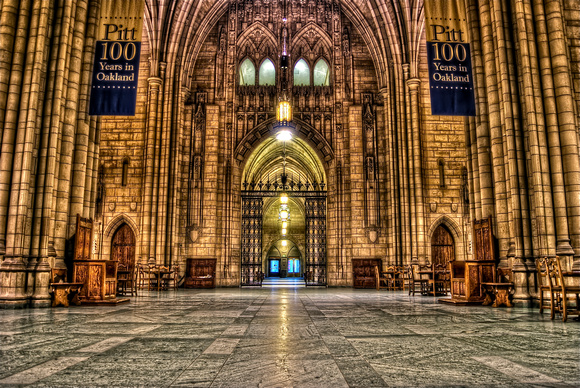
No centro do campus da Universidade de Pittsburgh, em Oakland, situa-se um dos maiores edifícios educacionais do Ocidente, uma bela construção gótica chamada “Cathedral of Learning”. No 36º. andar, além de uma magnífica visão panorâmica da cidade, encostados num cantinho, estão dois livros de Henry Adams. Adams, descendente de dois ex-presidentes norte-americanos (John Quincy Adams, avô; e John Adams, bisavô), filho do embaixador de Lincoln em Londres, foi historiador, jornalista e escritor, conhecido por “History of the United States”, e da autobiografia “The education of Henry Adams”.
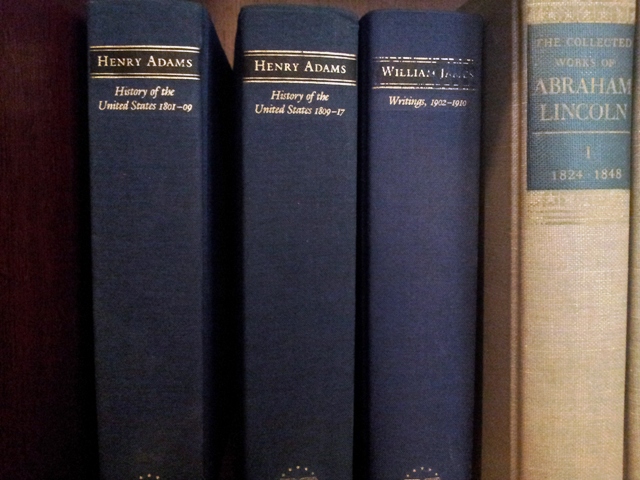
Em 1885, sua mulher, acometida por depressão grave, suicidou-se. Para recuperar-se desse episódio, Adams partiu em viagem pela Europa, o que resultou no relato “Mont Saint Michel e Chartres”. O capítulo III do livro destina-se às suas impressões sobre “La Merveille”, “a maravilha”, apelido dado pelos franceses ao Mont Saint-Michel, situado na região noroeste da França. Nesse livro, lemos:
“When men no longer felt the passion, they fell back on themselves, or lower. (…) The architect meant it to reassert, with all the art and grace he could command, the mastery of love, of thought and poetry, in religion (…) the whole Mount still kept the grand style; it expressed the unity of Church and State, God and Man, Peace and War, Life and Death, Good and Bad; it solved the whole problem of the universe. God reconciles all. The world is an evident, obvious, sacred harmony. (…) a symbol of unity; and assertion of God and Man in a bolder, stronger, closer union than ever was expressed by other art; and when the idea is absorbed, accepted, and perhaps partially understood, one may move on.”
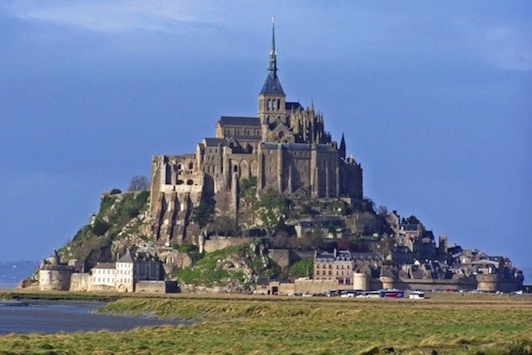
Um mundo onde as pessoas perderam a capacidade de “maravilhar-se” é um mundo que jamais será absorvido, aceito e compreendido.
 Reflexões em Foco
Deixe um comentário